Retail Technology Show 2026: Five things that caught our eye

The floor of Retail Technology Show 2026 in London’s Excel Centre was busy, loud and – as ever – full of claims. GDR spent the day separating signal from noise.
What emerged was a picture of an industry in operational transition, with AI moving from pilot to infrastructure, the physical store becoming a managed data environment, and a few retailers quietly doing something more interesting than any of the technology on show. Here’s what caught our attention.
Pricing is no longer a human decision
Dynamic pricing has been creeping up the agenda for years. At RTS 2026, it arrived fully formed. Multiple exhibitors were demonstrating AI agents making autonomous pricing decisions in real time – adjusting for food shelf life, competitor activity, local weather and demand signals without a human in the loop. The bakery use case by Vusion is intuitive enough: a croissant at 5pm should obviously cost less than one at 8am. But the broader implications – particularly where third-party data feeds into pricing models – raise genuine regulatory questions. In the UK, the legality of fully autonomous competitor-responsive pricing remains a grey area. Expect this to be a boardroom conversation before it’s a shop floor one.
The shelf edge is getting smarter (and less ugly)
Electronic shelf labels were everywhere, and they’ve clearly had a design intervention. Costs have dropped significantly, but more importantly, the aesthetic has improved: labels now read much more like real paper than the garish digital displays of a few years ago. The more interesting development is what they’re connected to. Smart shelf-edge beacons now link to wayfinding, self-checkout and last-mile fulfilment – including coloured light systems that guide Deliveroo pickers directly to products (shown here from Vusion). The shelf edge is becoming less a price tag and more an interface layer between inventory, customer and courier.
AI agents are running the back end
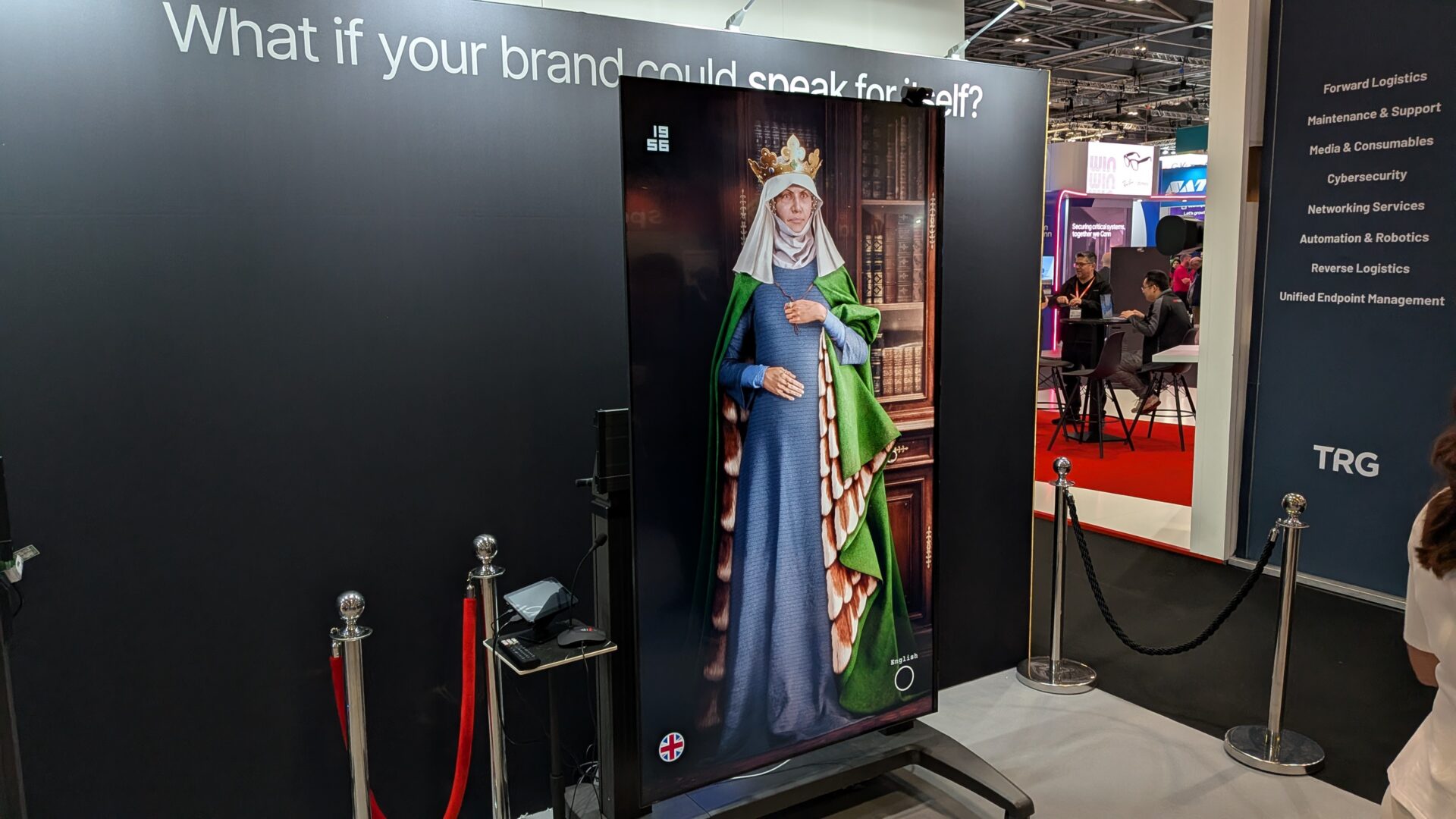
If there was a single theme that tied together the entire show floor at RTS 2026, it was AI agents operating autonomously across retail operations, including logistics, planograms, communications, lighting, pricing and decision-making of all kinds. The question has shifted from “can AI do this?” to “who’s accountable when it does?”. However, this tension between operational efficiency and human oversight wasn’t much discussed on the stands and maybe it should be.
On the consumer-facing side, holographic Agents (by Hypervsn) and CGI assistants powered by LLMs (like the ones shown here from 1956 Individuals) were on show, as were e-com fit tools that map body shape to generate photorealistic renders of how garments hang and move. Smart security using AI cameras (Face Watch among them) and intelligent lockers with cooling capability for click-and-collect rounded out a picture of a store increasingly managed by machines and experienced through screens.
Digital Product Passports: the data question
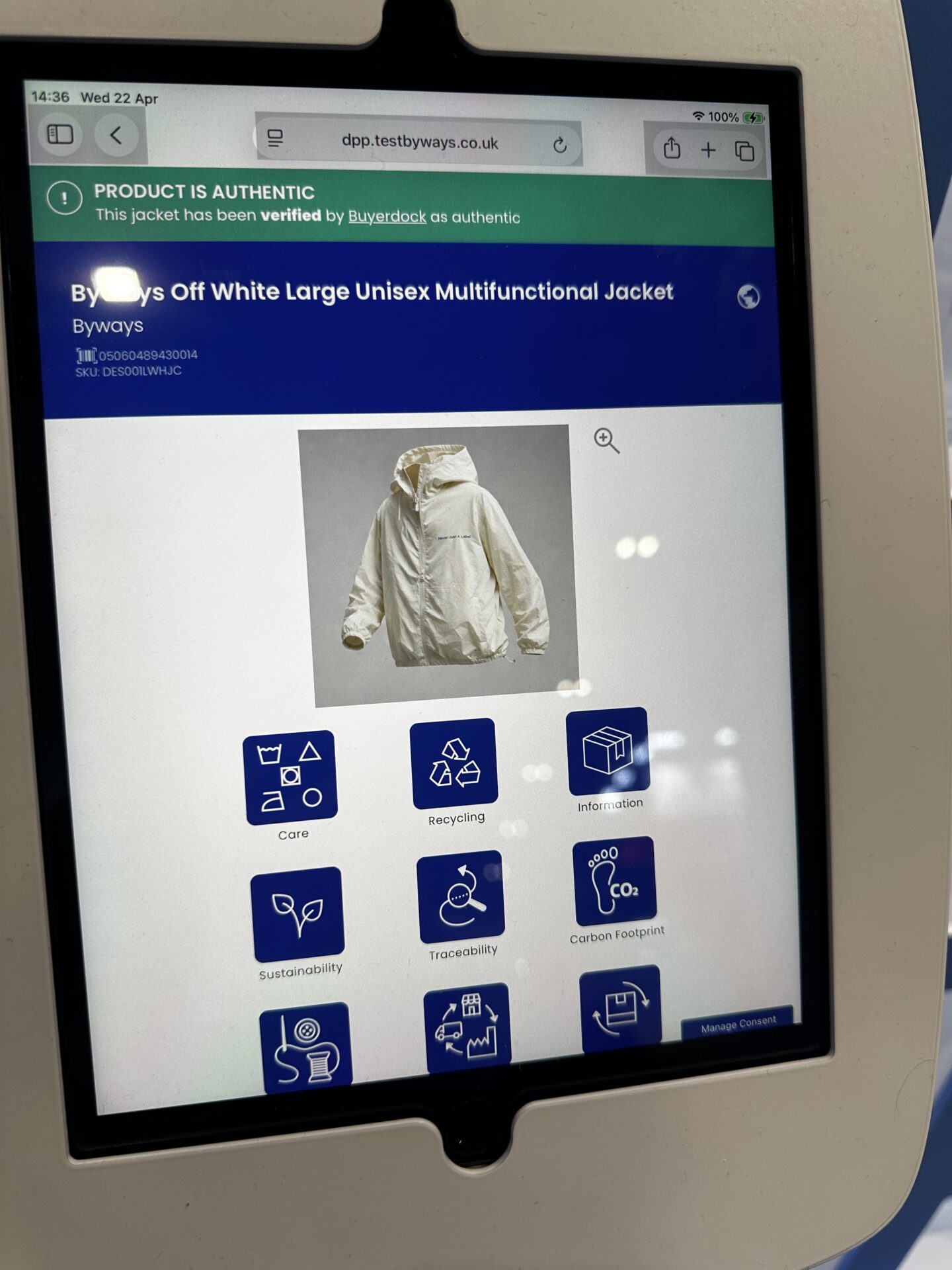
As Digital Product Passport (DPP) regulations roll out across the EU, DPP infrastructure was well represented, with several barcode vendors having expanded into full data management systems. Byways stood out with a demo that went beyond compliance, using DPP data as a springboard for visual, marketing-led cross-sell. But the deeper conversation is about data volume and governance: how much product data sits at store level versus globally, who owns it, and how it gets maintained at scale. DPP legislation is coming regardless. The retailers getting ahead of it now will have a significant advantage.
Sephora on localisation: know your postcode
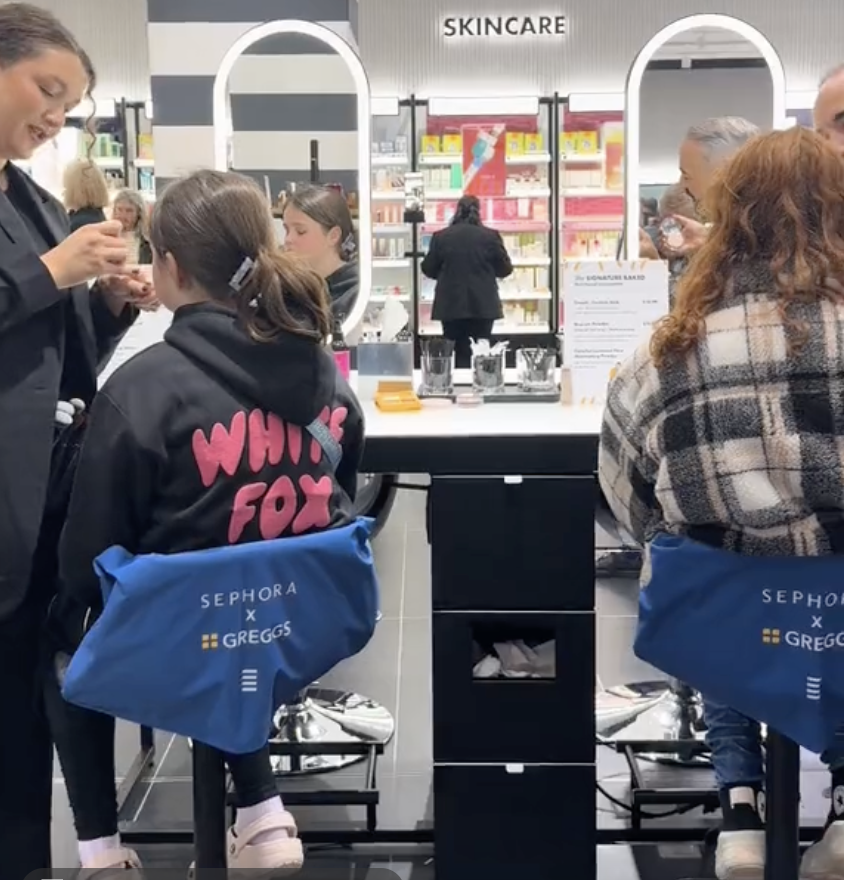
The most interesting talk of the day came from Sephora UK MD Sarah Boyd, who made a compelling case for hyper-local community connection as a growth strategy. Rather than pushing a uniform brand experience into every market, Sephora actively maps the cultural fabric of each location – finding local artists, musicians, drag queens and other personalities – and builds from there. The beauty retailer’s unexpected collaboration with Greggs in Newcastle (“Bronzed like a steak slice”) and a Bongo’s Bingo partnership in Liverpool are exactly the kind of culturally fluent activations that land because they’re specific, not scalable. Boyd noted that Sephora ran 750 brand events last year – activation at that frequency and scale only works if local relevance is baked in from the start.
One quieter detail is also worth noting. The brand now runs quiet hours two to three times a week. Initially conceived for neurodivergent customers, they’ve found the appeal is far broader. As Boyd put it, not everyone wants to shop in what sometimes feels like a nightclub. It’s a small operational decision with a meaningful signal – that the optimal retail environment for many customers is calmer, not louder.