Omega x Swatch MoonSwatch: a successful disaster?

Omega and Swatch’s MoonSwatch collaboration was one the most hyped product launches for years, but it has left a sour taste for many fans unable to get their hands on the sought-after range. GDR managing editor John O’Sullivan unpacks the episode and highlights what we can learn from how it all unfolded.
It is the dream of any established brand to host a product launch with so much hype that consumers in dozens of global cities queue around the block, many overnight, in the hope of being one of the first to get their hands on the item. That is exactly what happened in late March when Swatch Group’s luxury brand Omega and its mass-market player Swatch collaborated on the release of the co-branded MoonSwatch. Inspired by Omega’s iconic Speedmaster Moonwatch, but available for $260 (about 5% of the cost of the original), the release aimed to elevate and reinvigorate the Swatch brand while priming its customers to be the Omega shoppers of tomorrow.
The brands planned to build anticipation for the timepiece with a streetwear-style limited release in Swatch boutiques around the world ahead of a full release later in the year. But what they hadn’t fully appreciated is that demand for the watch had already gone nuclear. In 77 cities across 27 countries the limited stock sold out almost instantly to the anger and dismay of the hundreds who had gathered in anticipation in each location. The brand was unable to give any timeline for when the MoonSwatch would be available again in-store or online and there was no facility to pre-order or register an interest in the product. At many stores frightened staff were forced to shut the doors over fears for their own safety. So how did a collaboration that started with such acclaim descend into chaos? And how do we quantify the success of the launch now?
A genuine fake
The Omega Speedmaster – famously the timepiece worn by astronaut Buzz Aldrin during his moonwalk – occupies a fairly rare space in the luxury watch world. It’s a coveted, aspirational product for watch newcomers, but is equally respected by connoisseurs with much deeper pockets giving it an appeal that spans across many segments of the watch community.
This broad fanbase ensured that any collaboration was always likely to receive a lot of attention, making it the perfect bedfellow to elevate perceptions of the Swatch brand. And, while some argue the co-branded release will devalue the Omega brand in the long-term, the MoonSwatch certainly works as a gateway product that provides mass market watch buyers a stepping stone to the brand.
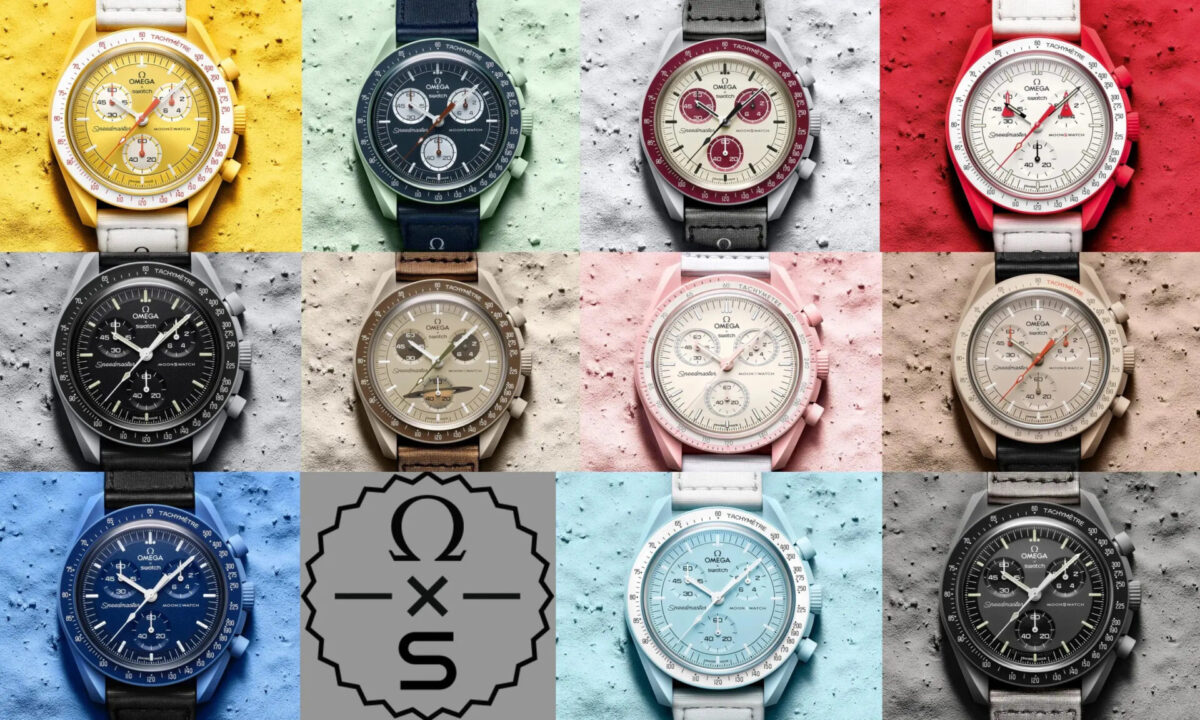
But high-low collaborations are nothing new, and arguably the fact that both brands come from the Swatch Group stable makes this less surprising, so why did this product provoke such a seismic reaction in the watch community?
High-low collaborations are usually a bit of tongue-in-cheek fun that show the playful, “real” side of the high brand, while premiumising and giving a bit of extra street cred to the low brand. From a consumer perspective the product, usually a limited-edition, is a nice to have rather than something truly sought-after. In this case, though, the Swatch Group created a product that consumers simply had to have. In a global market overrun with fake and copycat items, the MoonSwatch is a real product sporting the Omega logo, but available for $260. It offers the visage of a luxury product, but at mass prices, almost creating an entirely new product category that you could call a “genuine fake”. This positioning created a groundswell of interest, which soon spiralled out of control.
Organically-created hype machine
When you look at the way the launch was marketed by the Swatch Group, there is very little discernible difference from a standard watch campaign: a press release, a highly produced video and image shots, and a remarkably small number of posts on social media. It’s clear, then, as mentioned above, that the secret sauce that led to the product going viral was the MoonSwatch itself, which evoked a strong and immediate reaction across all corners of the watch community.

Very quickly hundreds of watch vloggers were having their say – not all positive – on the collaboration in videos receiving tens of thousands of views and comments. And as these videos started whipping the watch community into a frenzy and building the demand for the product, another key player in the chaos that was to come emerged: the second-hand sellers.
Even before the MoonSwatch went on sale, resale platforms were already listing the range for pre-sale at hugely inflated prices, which only amplified the hysteria and sense of urgency even more.
Swatch made it clear that this was a NOT a limited-edition release and that a full release would be following in-store and online, but this message was either lost or simply seen as irrelevant, amid the deafening backdrop of organically-generated noise online.
What can we learn?
Many would argue that any event that receives as much consumer and media attention as the launch of the MoonSwatch can only ever be viewed as a huge success. But that doesn’t mean it can’t also serve as a cautionary tale. Naturally the Swatch Group would have been keeping an eye on the online buzz and will be well versed in the intricacies of the resale market, but it was still unprepared for what was to come.
The false scarcity-powered limited release works very well in the luxury and streetwear space, but it does have its pitfalls. In this instance, the limited launch invited in resellers, who hijacked the online conversation and went in great numbers to the physical launch hoping to make a quick buck, taking the shine off things for genuine fans and consumers.
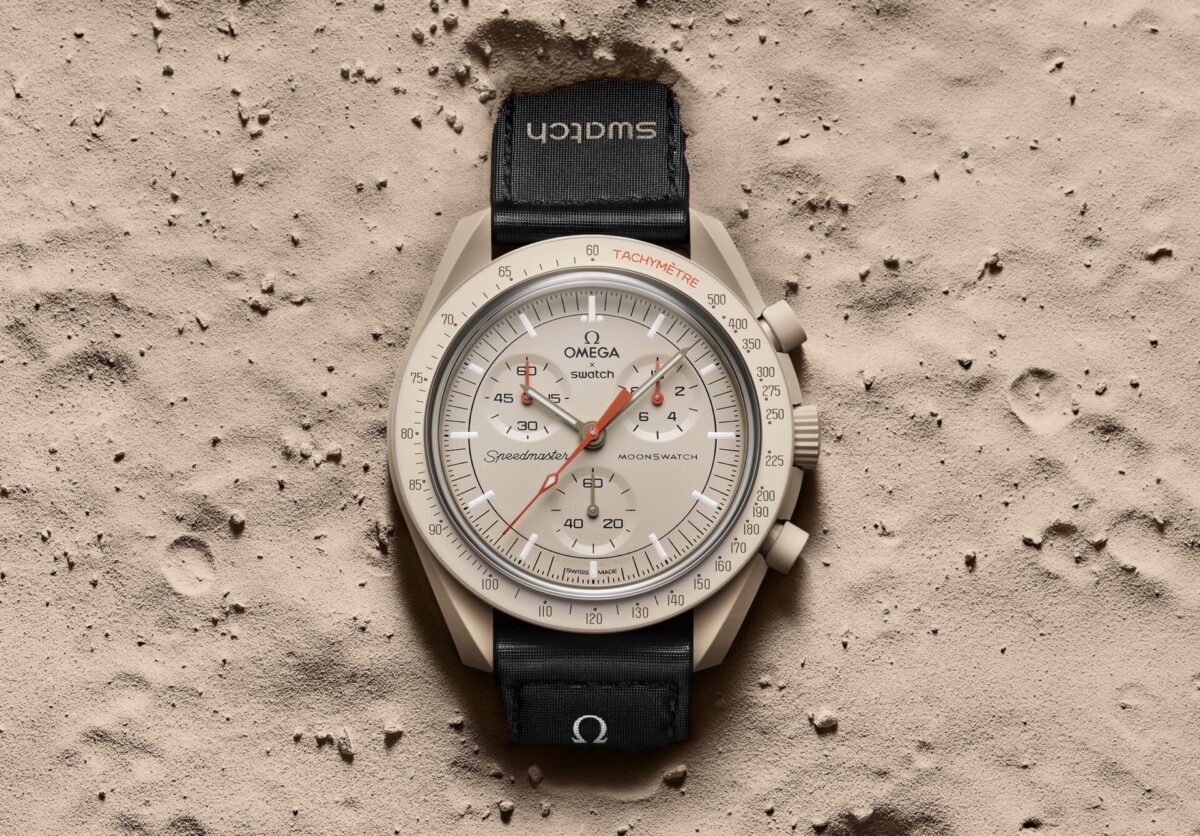
Similarly, user-generated content plays a very necessary and powerful tool in any modern product launch, but in this instance, while the buzz of the vloggers and the resellers amplified the desirability of the product, it completely took over the narrative meaning Swatch lost control of the message.
Despite this, the hype did present the Swatch Group with a unique opportunity to make an unprecedented number of sales in one day, but it failed to capitalise on this moment of virality. Having limited numbers available in-store may be a great hype generator, but having no facility to pre-order or register an interest, or even a transparent roadmap showing fans when the products would be available again feels like a huge opportunity missed.
It may well be that the MoonSwatch is such a rare, once a decade launch that the loss of this viral momentum may not greatly affect long-term sales. But the experience highlights the potential negative forces that come to play as a product goes viral, and underlines the importance of having a clear and actionable strategy in place should demand for your product start to skyrocket.
GDR’s brand collaboration DOs and DON’Ts
- DO experiment with high/low collaborations as a fun marketing and branding exercise (but if you’re the high brand be aware that it can affect the perception of your brand).
- DON’T use the false scarcity model for inexpensive items.
- DO make sure that any potential collaboration partner shares your core ethos on crucial topics like sustainability and inclusivity.
- DON’T allow influencer-led and organic content to completely take over the narrative of your campaign. A strong influencer marketing strategy is now a must.
- DO have a plan B roadmap in place in case demand for your product surges so that your staff and customers alike aren’t left in the dark.
- DON’T be left unprepared when you hit the jackpot and your product goes viral.